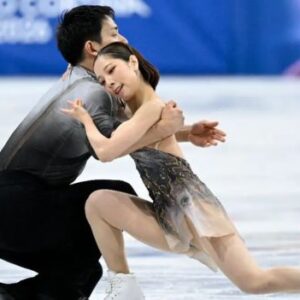
Ryuichi Kihara cried. He cried the night before, unable to sleep. He cried during the morning practice. He even cried as he skated through warm-ups.
At 33 years old, competing in his fourth Olympic Games, Kihara stood in fifth place after the short program, feeling as if he had failed completely.
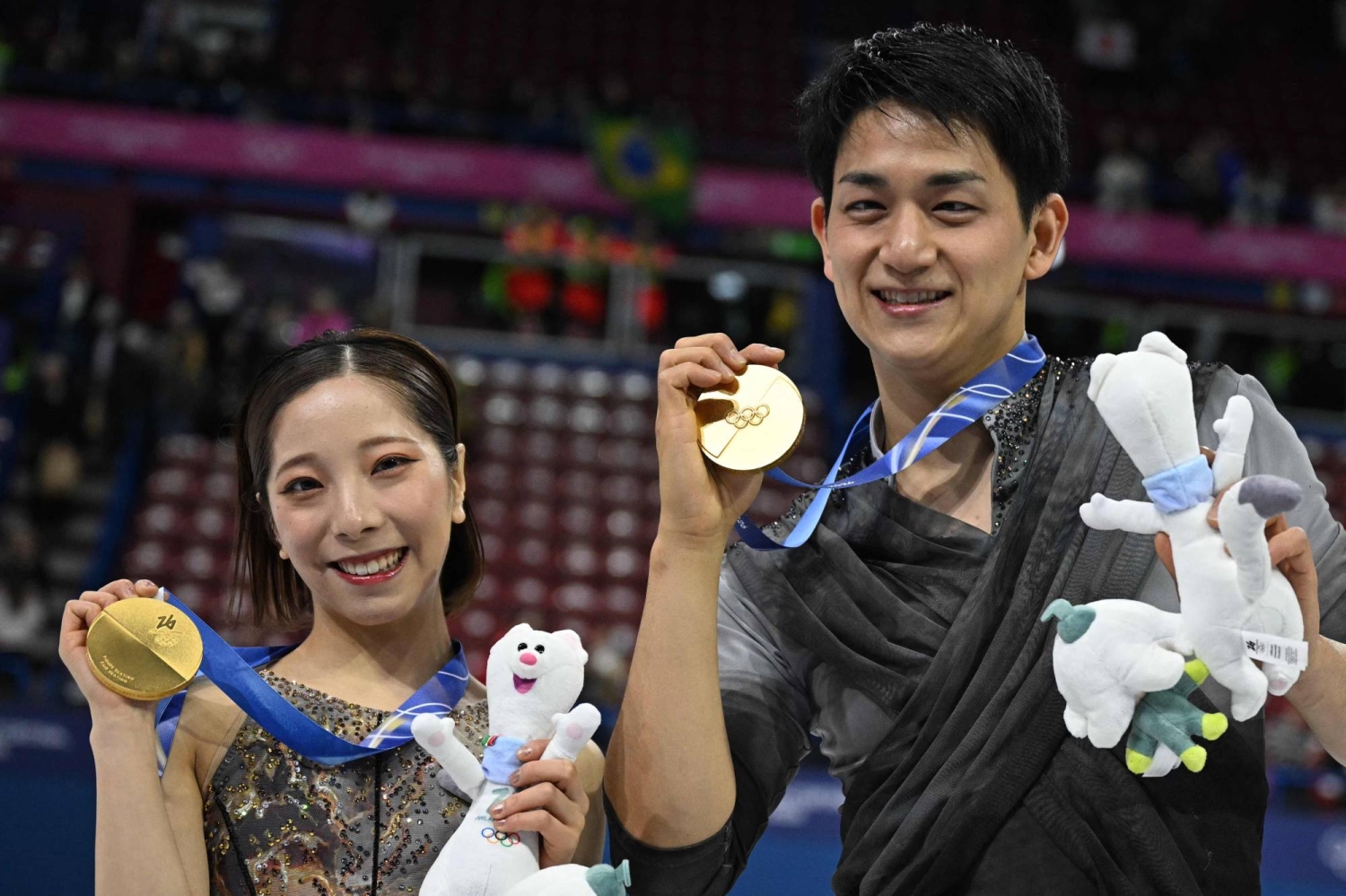
But when he stepped onto the ice at the Milano Ice Skating Arena, he delivered a world-record performance and captured a historic Olympic gold medal.
No Road to Success Is Ever Smooth
Ryuichi Kihara was born on August 22, 1992, in Ichinomiya, Aichi Prefecture, Japan. He began skating in 1996 and competed as a singles skater before switching to pairs in early 2013 with Narumi Takahashi.
They made their Olympic debut at the 2014 Winter Games in Sochi, finishing 17th — a modest result, but one that did not discourage him. The pair split in 2015, and Kihara started over with Miu Suzaki. After three years of hard training, they qualified for the 2018 Winter Olympics in PyeongChang. The outcome, however, was another disappointment. They placed 21st in the short program and did not advance to the free skate — marking his second straight Olympic setback.
![In Photos: Figure skater Uno grabs first in team event short program at Pyeongchang[写真特集8/11]- 毎日新聞](https://cdn.mainichi.jp/vol1/2018/02/09/20180209hpe00m0sp015000q/9.jpg?1)
Following his split with Suzaki, Kihara seriously considered retirement. He returned to Aichi and worked as a safety manager at a local skating rink, renting skates and handling various duties. Three days a week, eight hours a day, he was a dedicated employee. At night, after the rink closed, he stayed behind to train alone, unable to let go of the ice.
Then a phone call from Canadian coach Bruno Marcotte changed the course of his career.
Marcotte suggested he try skating with a young partner, Riku Miura, who was just 17 at the time. Only two weeks after their tryout, they moved to Oakville, Ontario, Canada, to train full time — just before the COVID-19 pandemic began. Border closures kept them away from Japan for nearly a year, but the isolation allowed them to build trust and refine their technique.
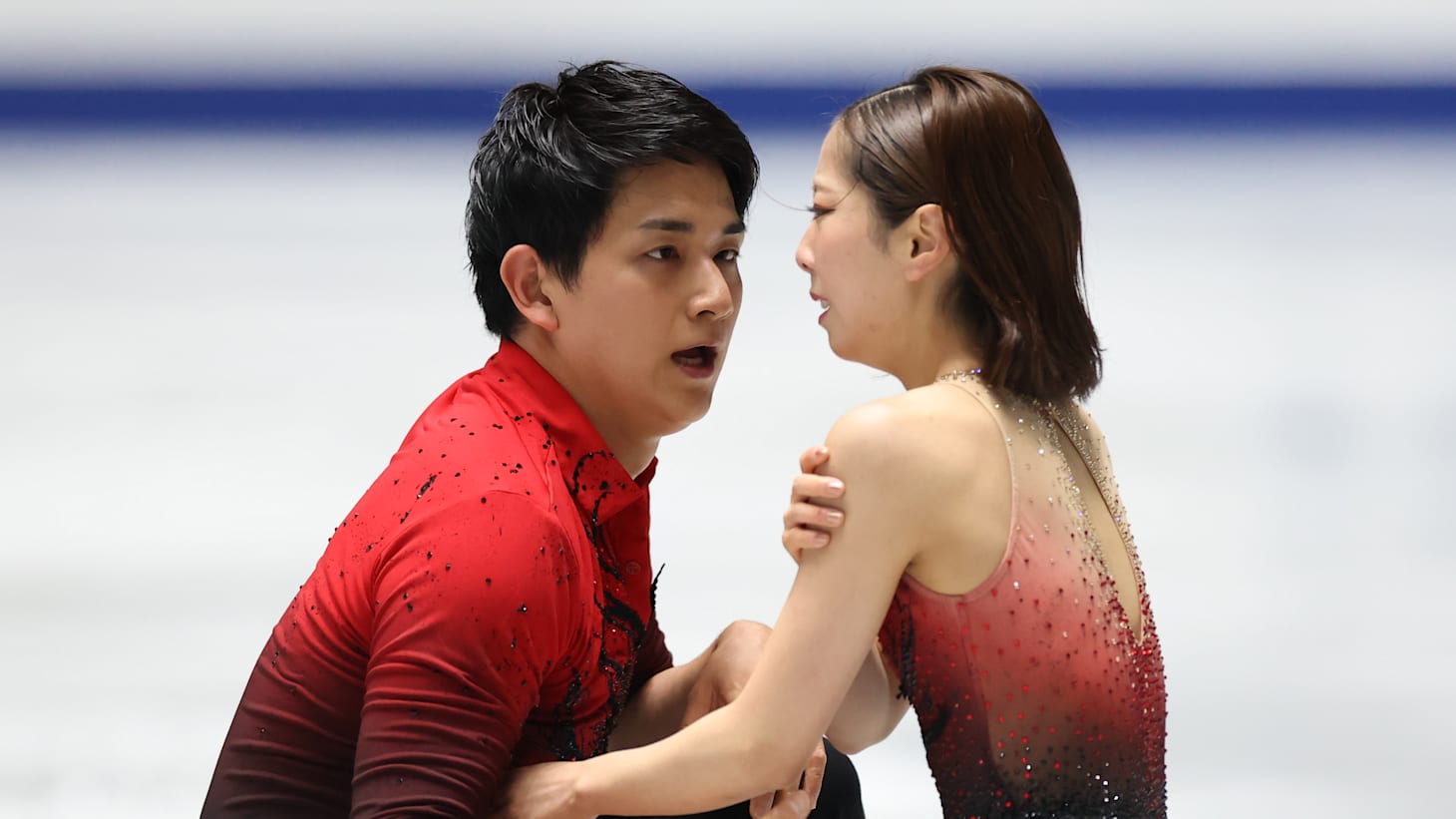
The pair made their international debut at the 2019 NHK Trophy and steadily climbed the world rankings. Their results earned them a spot at the 2022 Winter Olympics in Beijing, where they helped Japan win its first-ever Olympic medal in the team event and finished seventh in the pairs competition.
The 2022–23 season marked a breakthrough. They became the first Japanese pair to win a World Championship title, and they also claimed victories at the Four Continents Championships and the Grand Prix Final. Those achievements established them as top contenders heading into Milano Cortina 2026.

Yet their path was far from easy. They missed most of the 2023–24 season while Kihara recovered from a back injury and Miura competed with a dislocated shoulder suffered during a summer exhibition. Instead of building momentum, they had to watch rivals gain experience and ranking points.
Still, they returned to win silver at the 2024 World Championships. In 2025, they reclaimed the world title.
By the time he arrived at the 2026 Winter Olympics, Kihara carried more than medals — he carried a decade of perseverance, three Olympic appearances, two partner changes, a serious injury, and one near retirement.

Tears of Years of Hard Work
Everything seemed on track until February 14, when Kihara and Miura made a costly mistake on a lift during the short program. They left the ice visibly shaken. Marcotte reminded them that the competition was not over, but Kihara struggled to control his emotions.
“I couldn’t sleep last night,” he said. “I didn’t get good rest. I couldn’t stop crying from the moment I arrived at the rink, even during warm-up.”
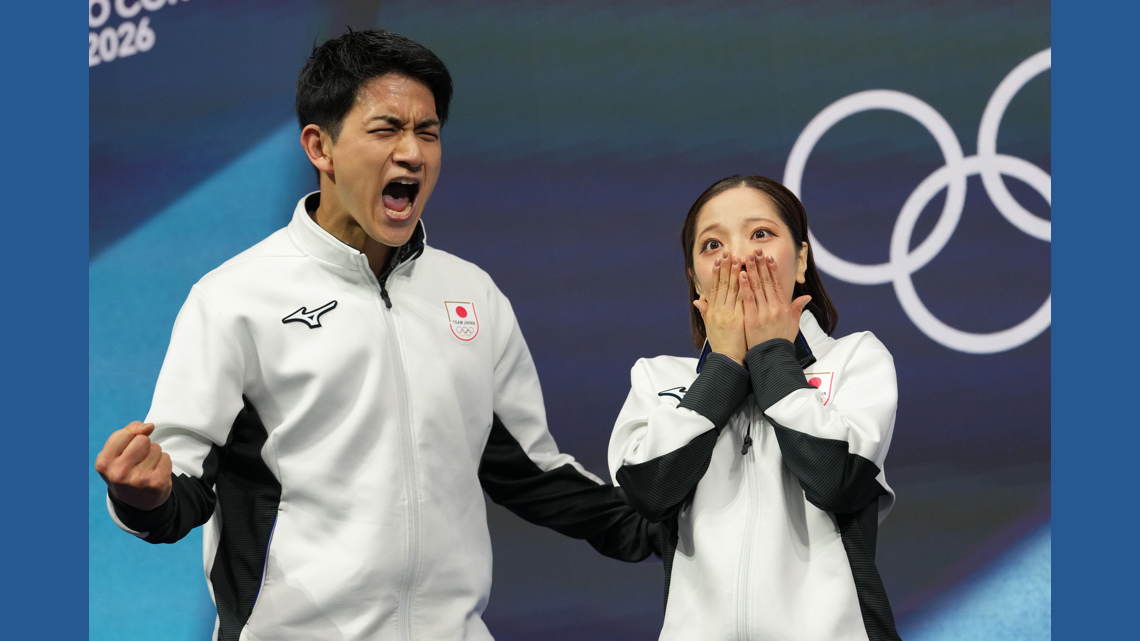
The emotion reflected years of pressure — of feeling nearly invisible at past Olympics and facing the possibility of ending his career with yet another disappointment.
Kihara openly admitted that in previous Games, he had been the one supporting Miura. This time, she was the one who lifted him up.
On February 16, Miura and Kihara skated their free program to music from Gladiator, as if destiny had scripted the moment. They delivered a flawless performance featuring powerful triple jumps, exceptional lifts, and strong throw elements. Among the medal contenders, they were the only pair not to receive any deductions across 11 technical elements.
When the program ended, Kihara broke down in tears at center ice — releasing years of emotion.
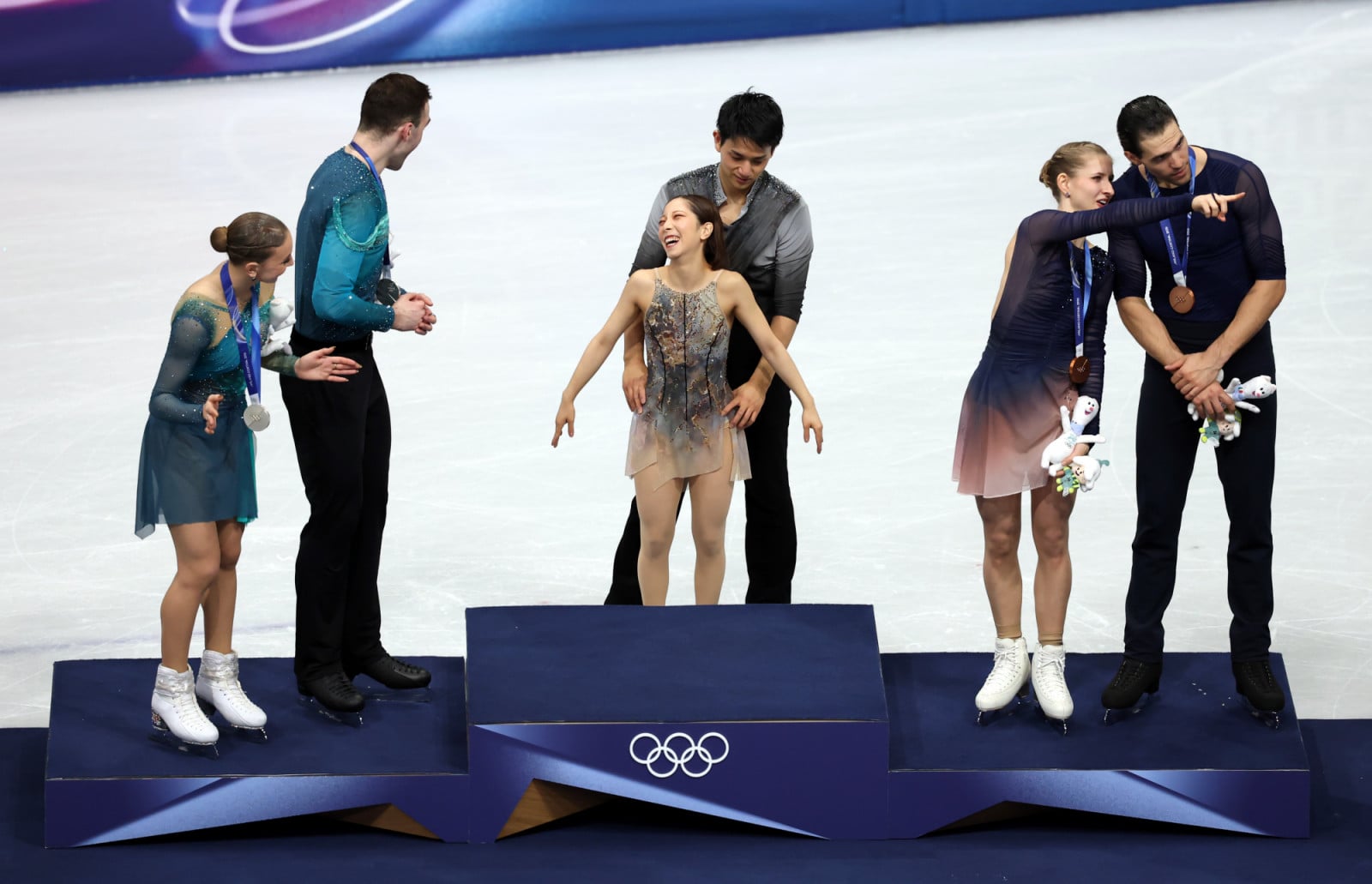
Their free skate score of 158.13 set a new world record, bringing their total to 231.24 and vaulting them from fifth place to Olympic champions.
It was Japan’s first-ever Olympic gold medal in pairs figure skating and the culmination of a journey defined by resilience, sacrifice, and belief.